26 Jun 2026
Acoustic Environments in Enclosed Arenas Modulating Verbal Signals and Team Coordination Across Basketball and Hockey Seasons
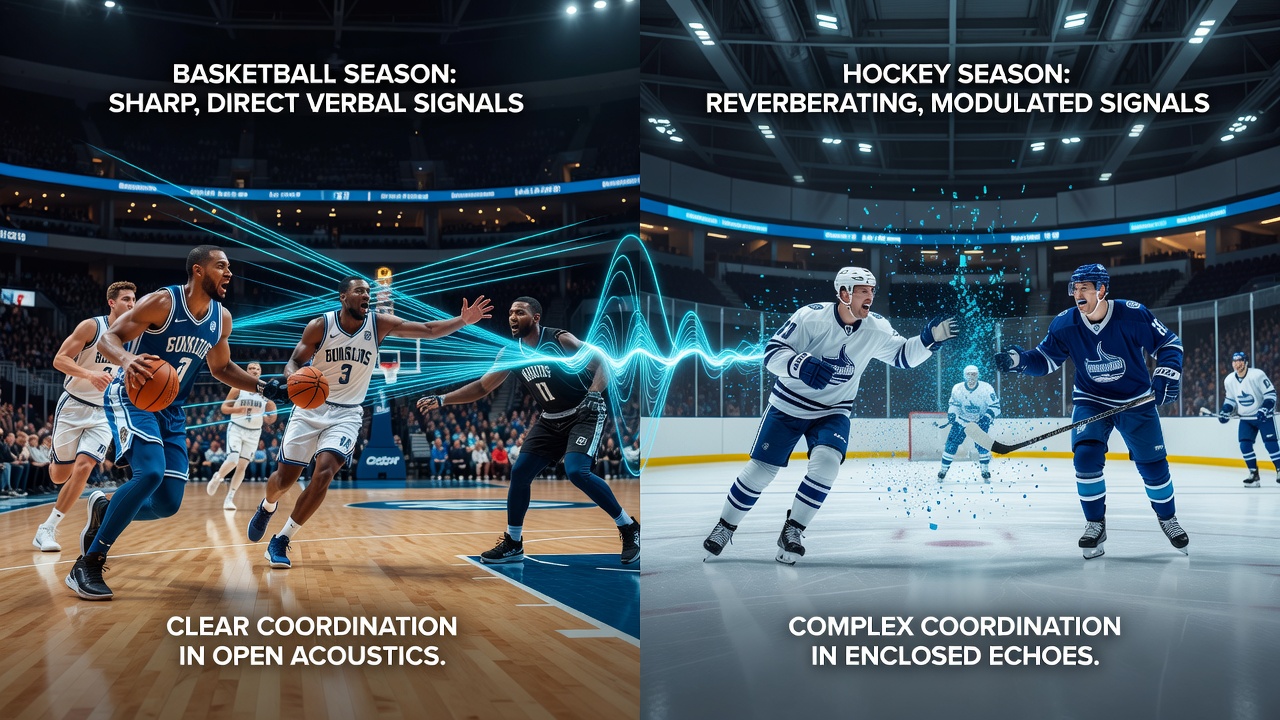
Enclosed arenas create distinct acoustic profiles that alter how verbal signals travel between players and coaches in both basketball and hockey, with measurements from venues across North America showing reverberation times ranging from 1.8 to 3.2 seconds depending on crowd density and structural materials. Data collected during regular season games indicates that these conditions shift team coordination patterns as players adapt calling systems to compensate for delayed or distorted audio feedback.
Core Acoustic Factors in Arena Design
Structural elements such as curved ceilings, glass barriers in hockey rinks, and padded seating in basketball courts interact with sound waves to produce specific reflection patterns, and studies from institutions in Canada and the United States have mapped these effects across multiple facilities. Researchers note that lower frequencies from cheering sections persist longer than higher-pitched voice commands, which creates interference zones near center ice or mid-court areas where most play-action decisions occur.
Engineers adjust HVAC systems and install absorptive panels in newer constructions to target these frequency ranges, yet older arenas retain their original profiles that continue to influence gameplay. Figures from the 2025-2026 seasons reveal consistent variations in communication success rates when teams switch between home and road venues with differing acoustic signatures.
Effects on Basketball Team Coordination
Basketball players rely on quick verbal cues for defensive switches and offensive sets, and arena acoustics directly modulate how those signals reach intended recipients during high-tempo possessions. In facilities where echo decay exceeds two seconds, point guards adjust their cadence and volume to cut through ambient noise, while perimeter defenders develop visual backup signals to maintain coverage integrity when audio clarity drops.
Coaching staffs track these adaptations through game film and wearable audio devices, with observations from multiple NBA and college programs showing measurable improvements in execution after players accumulate experience in specific acoustic environments. During June 2026 playoff series, several teams demonstrated refined hand-signal hierarchies that reduced reliance on shouted instructions in the final minutes of close contests.
Hockey Applications and Line Changes
Hockey introduces additional variables through the glass enclosure around the rink and the constant motion of line changes, both of which alter how bench instructions propagate to players on the ice. Defensemen positioned near the boards often receive the clearest audio from assistant coaches, whereas forwards in the slot area experience greater masking from stick impacts and skate sounds that blend with crowd reverberation.
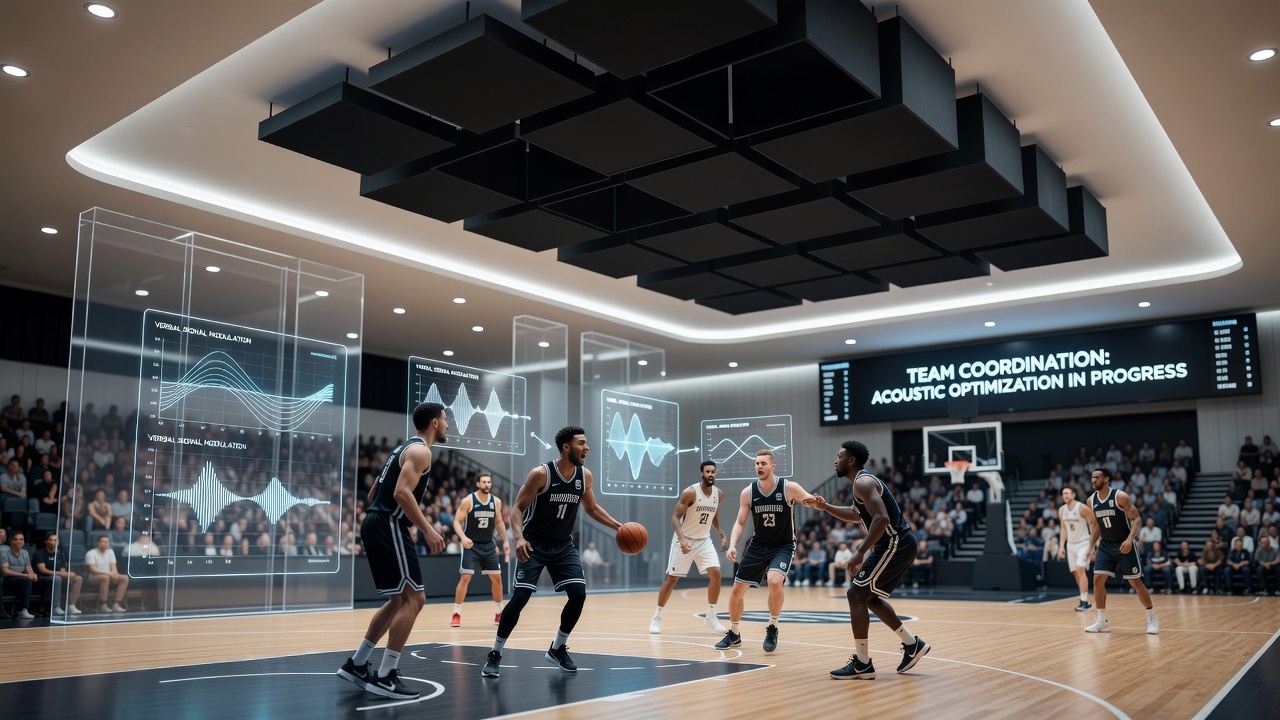
Teams in the NHL have incorporated acoustic mapping into pre-game preparations, allowing captains to modify breakout calls based on real-time noise measurements collected from previous visits to the same building. Data from international competitions hosted in European arenas further highlights how different building materials shift these coordination dynamics compared with North American venues.
Seasonal Patterns and Adaptation Trends
Across both sports, coordination effectiveness fluctuates with seasonal factors such as attendance spikes during rivalry games and playoff intensity, and longitudinal tracking shows that teams with dedicated audio training protocols maintain higher success rates in verbal signal transmission as the schedule progresses. In June 2026, championship series in both basketball and hockey provided additional datasets where late-game scenarios tested these adaptations under peak crowd conditions.
Training regimens now include simulated arena soundscapes that replicate specific venue profiles, enabling rookies to build familiarity before their first road trips. Organizations share anonymized performance metrics through league-wide research initiatives, which has accelerated the development of standardized communication frameworks adaptable to varying acoustic conditions.
Measurement Technologies and Future Adjustments
Portable acoustic sensors deployed during games capture decibel distributions and speech intelligibility scores in real time, and coaching analysts integrate these readings with player tracking data to identify coordination breakdowns linked to audio interference. Professional leagues have begun requiring baseline acoustic surveys for new arena constructions, drawing on guidelines developed by acoustics societies in multiple countries.
These tools allow staff to recommend in-game adjustments such as altered huddle formations or increased use of visual signals when conditions exceed established thresholds. Continued refinement of these systems promises more precise matching between arena environments and team communication strategies throughout upcoming seasons.
Conclusion
Acoustic conditions in enclosed arenas shape verbal signal transmission and team coordination in measurable ways across basketball and hockey, with documented adaptations appearing at both amateur and professional levels. Research continues to refine understanding of these interactions through combined audio and performance data collection, supporting ongoing adjustments in training and venue management practices.