17 Jun 2026
Biometric Monitoring Systems Adjust Hydration Protocols for Athletes Across Seasonal Extremes
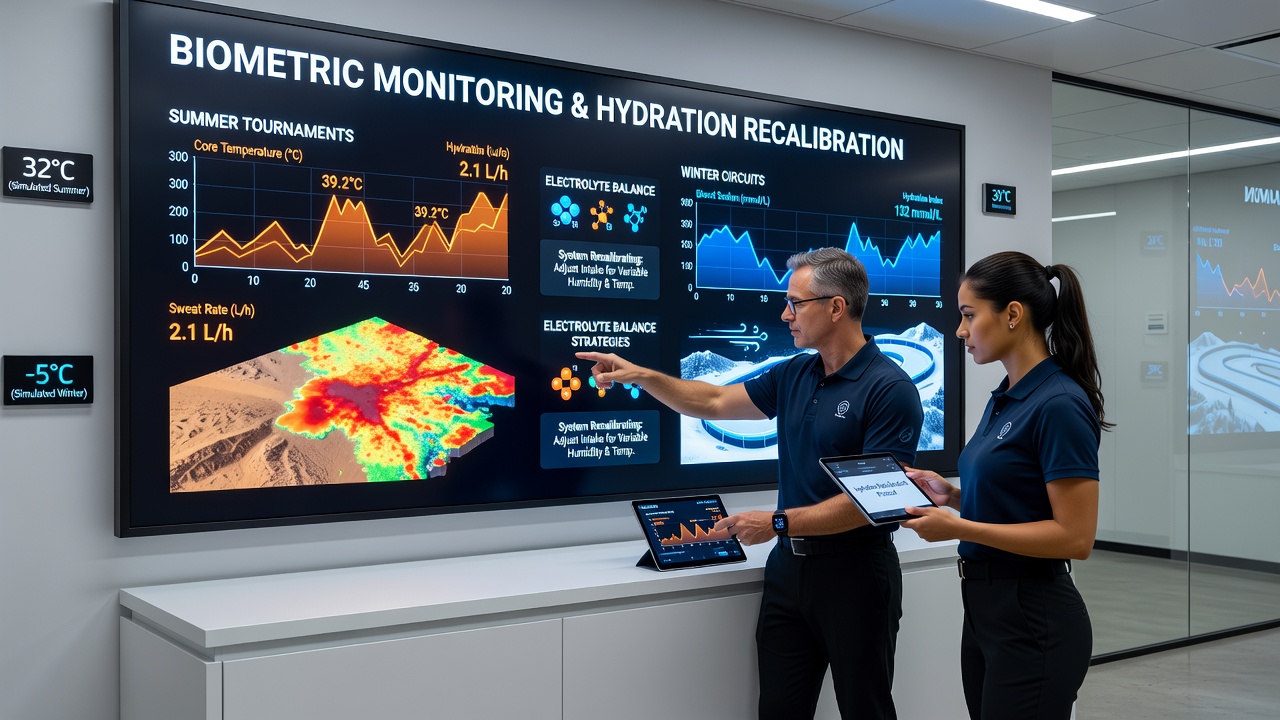
Biometric monitoring systems now track real-time sweat composition, core temperature fluctuations, and sodium loss rates in athletes who compete under shifting climate demands, and these devices feed data directly into personalized fluid and electrolyte plans that adapt between summer tournaments and winter circuits. Researchers track heart rate variability alongside skin conductance metrics to predict dehydration thresholds hours before symptoms appear, which allows support teams to recalibrate intake schedules during events that span multiple climate zones in a single season.
Summer Tournament Demands and Sensor-Driven Adjustments
High heat and humidity accelerate fluid turnover during extended matches in summer events, so monitoring patches placed on the upper arm or torso measure electrolyte concentrations every few minutes while transmitting alerts to coaching staff tablets. Data collected from tennis players at major outdoor events in June 2026 showed sodium depletion rates climbing 18 percent above baseline when temperatures exceeded 32 degrees Celsius, prompting teams to increase electrolyte packet dosing at set changeovers rather than relying on fixed water breaks. Systems integrate GPS movement data with local weather feeds so algorithms adjust predicted sweat rates for players moving across shaded and exposed court sections throughout a match lasting three hours or more.
Electrolyte Balance Algorithms in Heat Stress
Software platforms combine biometric streams with environmental sensors to generate dynamic replacement formulas, and these formulas account for individual variations in acclimatization status that develop over a two-week training block before a tournament begins. One study coordinated through the Australian Institute of Sport documented how cyclists in multi-stage races maintained plasma volume within 2 percent of pre-race levels when sodium intake followed sensor-guided targets instead of standard 500-milliliter bottle schedules. Teams receive updated recommendations via secure apps that factor in recent sleep metrics and prior day training loads, which reduces overhydration risks that previously led to diluted blood sodium during prolonged exposure.
Winter Circuit Protocols and Cold-Induced Monitoring Shifts
Cold environments alter fluid dynamics because athletes lose less visible sweat yet experience elevated respiratory water loss during high-intensity efforts, so biometric vests now incorporate humidity sensors inside layered clothing to capture insensible losses that standard scales miss. Skiers and snowboarders on winter circuits use ingestible temperature pills paired with wrist-based optical sensors that flag electrolyte imbalances when core readings drop below established norms during downhill segments lasting under two minutes. Observers note that systems recalibrate sodium targets downward in sub-zero conditions while increasing potassium emphasis to support muscle function when glycogen stores deplete faster due to shivering thermogenesis between runs.
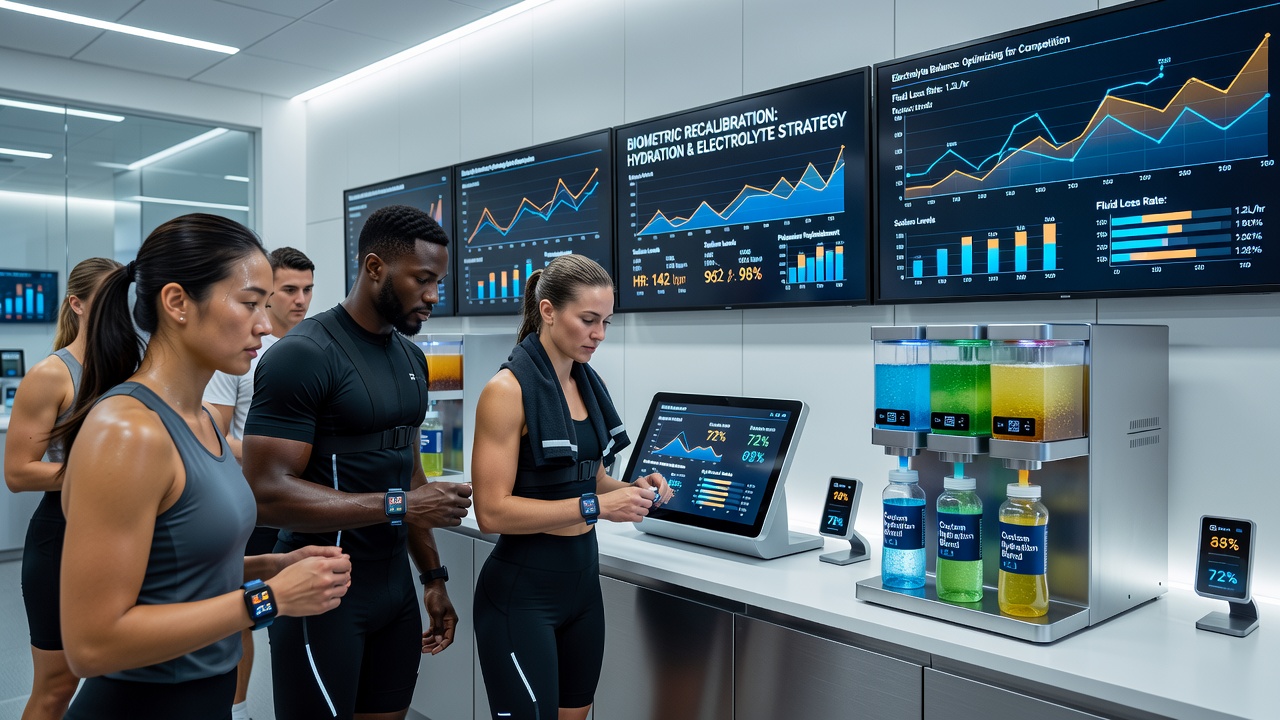
Figures from the Canadian Sport Institute Pacific reveal that cross-country skiers who followed algorithm-adjusted hydration during February 2026 competitions preserved grip strength measures 12 percent better than control groups using static intake plans. Monitoring continues overnight because overnight fluid shifts in cold air affect morning body mass readings that determine pre-event loading volumes, and support crews review overnight trends before finalizing race-day electrolyte mixes.
Integration Across Multiple Sports and Tournament Schedules
Professional leagues now embed these systems into standard medical protocols for athletes traveling between summer and winter venues within tight calendars, and data fusion occurs through cloud platforms that merge inputs from different device manufacturers into unified dashboards. Soccer midfielders monitored during June 2026 exhibition matches in variable humidity zones received mid-game fluid boluses timed to biometric alerts rather than fixed halftime breaks, which correlated with maintained high-intensity running distances in the final 15 minutes. Similar frameworks appear in endurance events where winter trail runners and summer road racers share core algorithmic logic yet apply climate-specific correction factors derived from aggregated league datasets.
Training facilities incorporate simulation chambers that replicate rapid climate transitions so athletes practice under monitored conditions before actual travel, and longitudinal records show reduced incidence of cramping episodes when protocols update every 48 hours based on cumulative biometric trends. Equipment suppliers have begun embedding sensors directly into compression sleeves and base layers, which eliminates separate patch application steps during rushed pre-competition routines.
Data Sources and Validation Studies
Validation work conducted by the Sports Science Institute confirms that combined heart rate and bioimpedance readings predict fluid deficit with accuracy above 91 percent across tested temperature ranges from minus 10 to plus 35 degrees Celsius. European research networks have cross-checked outputs against traditional blood sampling methods during controlled chamber trials, yielding consistent alignment that supports broader adoption ahead of multi-climate championship calendars.
Conclusion
Biometric systems continue to refine how competitors manage fluid and mineral balance when schedules force rapid adaptation between hot and cold competition environments, and ongoing data streams from 2026 events demonstrate measurable consistency in performance metrics tied directly to these recalibrated strategies. Teams that integrate continuous monitoring with location-specific weather inputs maintain tighter control over physiological variables that once fluctuated widely across seasonal circuits.