14 Jun 2026
Exploring How International Player Exchanges Are Altering Team Compositions in Elite League Systems
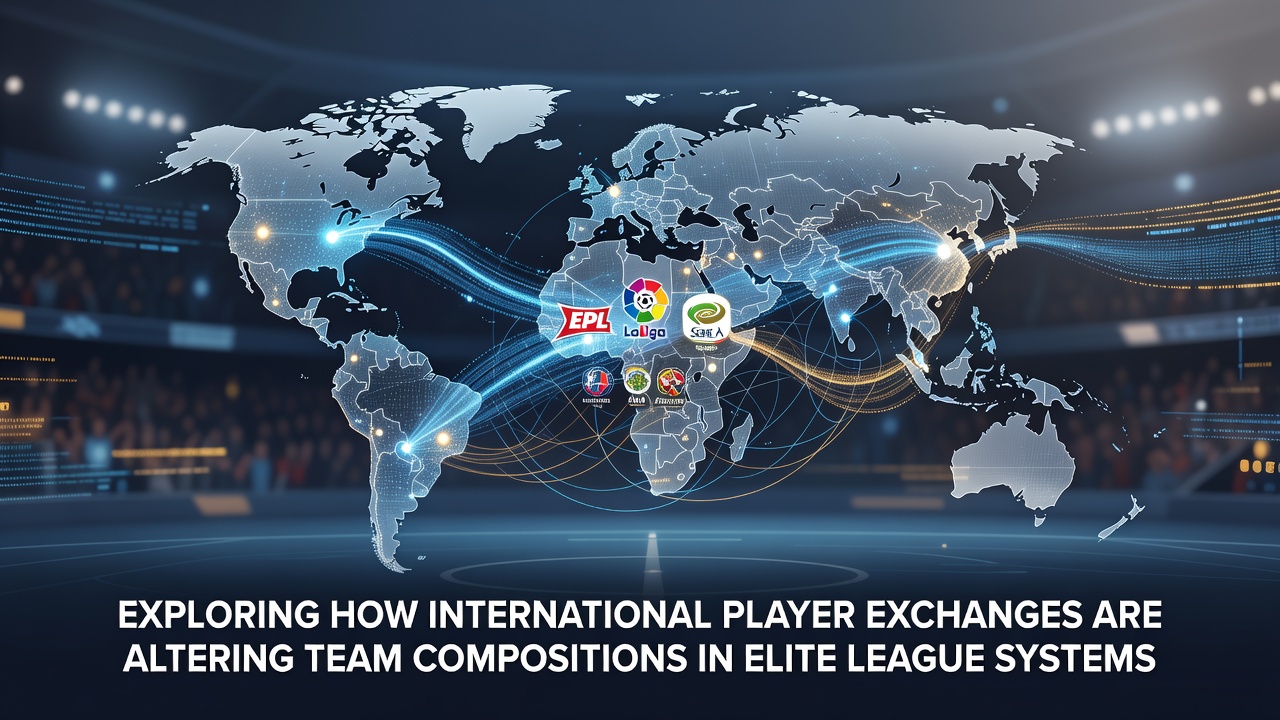
International player exchanges continue to reshape roster structures across premier competitions including the English Premier League, NBA, and Bundesliga as clubs pursue talent from wider geographic pools and data shows rising numbers of foreign-born athletes on active rosters. In June 2026 summer transfer windows opened with renewed activity as teams finalized deals that brought players from South America, Africa, and Asia into European and North American squads while sending established stars in the opposite direction. These movements alter not only starting lineups but also bench depth, tactical options, and long-term development pathways.
League-Wide Shifts in Roster Demographics
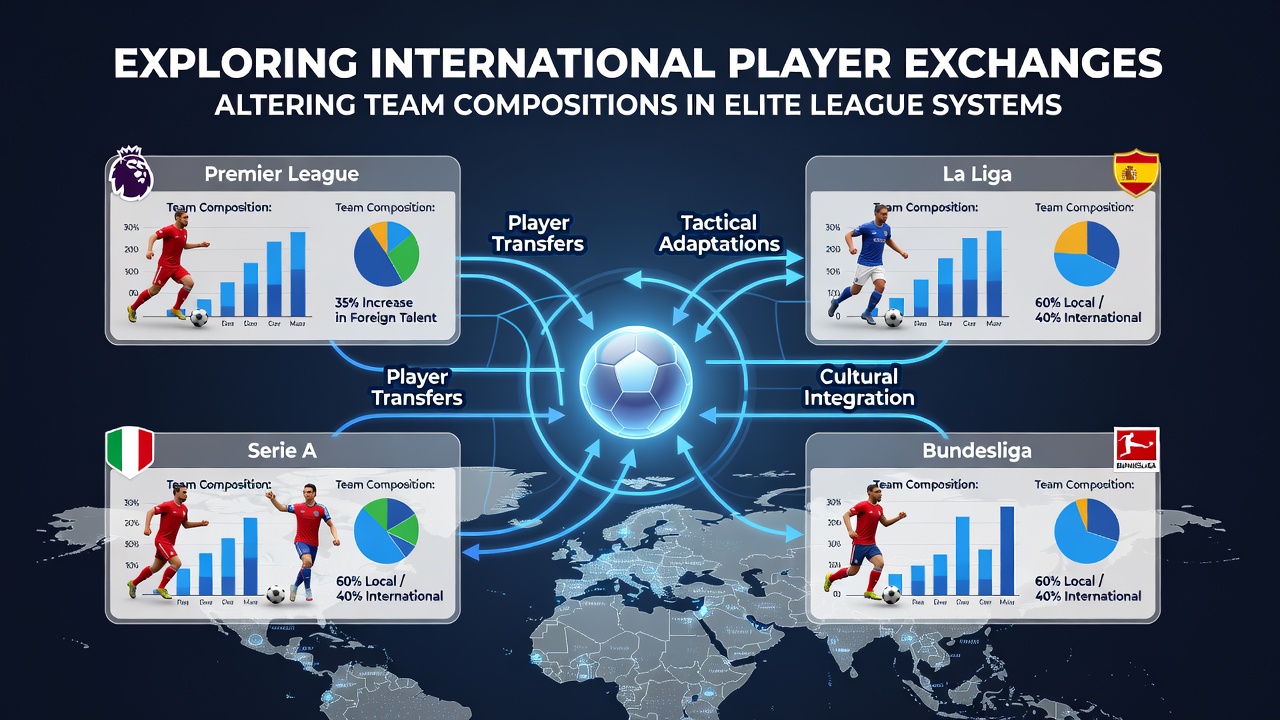
Observers note that the Premier League now lists over 60 percent of players as born outside England according to records compiled by the league itself while the NBA reports that international athletes occupy roughly 25 percent of roster spots with representation from more than 40 countries. Such figures reflect sustained exchange patterns rather than isolated transfers and they influence everything from training regimens to contract negotiations. Researchers at institutions in Canada have tracked similar patterns in other circuits where cross-border loans and permanent moves create layered squad compositions that blend local academy graduates with acquired specialists.
Tactical Adjustments Driven by New Arrivals
Coaches adapt formations and set-piece routines when new international signings arrive because players bring distinct technical profiles shaped by prior leagues and national team systems. A midfielder acquired from Brazil may introduce different pressing triggers than one developed domestically yet the same squad must integrate both styles without losing cohesion. Data from UEFA technical reports indicates that teams with higher proportions of exchanged players often record elevated pass completion rates in transitional phases though they may require additional time to synchronize defensive structures. In the NBA international frontcourt players frequently expand spacing options on offense which prompts adjustments to defensive schemes that opponents must then counter.
Development Pathways and Youth Integration
Youth academies in multiple countries now design programs that prepare prospects for eventual moves abroad while simultaneously incorporating returning exchange players who have gained experience in foreign systems. This creates feedback loops where skills honed overseas filter back into domestic pipelines. Studies conducted through Australian sports research centers highlight how these cycles affect age-group national teams as well because returning athletes bring refined decision-making under varied competitive pressures. Elite clubs balance immediate roster needs against long-term succession planning by timing exchanges to coincide with contract cycles and injury recoveries.
Regulatory Frameworks and Compliance Considerations
Governing bodies maintain rules governing work permits, squad registration limits, and financial fair play that directly influence the scale and timing of international exchanges. European Union labor mobility provisions continue to facilitate movement within member states while separate visa categories apply for athletes arriving from outside those regions. FIFA maintains a global transfer matching system that records each transaction and provides transparency on fees and timelines. These mechanisms ensure that exchanges occur within defined parameters yet they also generate administrative workloads that clubs must manage alongside performance objectives.
Performance Metrics and Competitive Balance
Statistical agencies have documented correlations between the volume of international exchanges and certain on-field indicators such as goal contributions from substitutes or defensive error rates in high-press scenarios. Teams that execute multiple exchanges within a single window sometimes experience short-term dips in results before new combinations stabilize yet longer-term data often shows improved squad resilience across congested schedules. Competitive balance discussions frequently reference these patterns because smaller-market clubs sometimes leverage targeted exchanges to close gaps with wealthier counterparts that dominate domestic transfer markets.
Conclusion
International player exchanges have become structural features of elite league operations rather than temporary phenomena and they continue to modify how squads are assembled, how tactics evolve, and how development resources are allocated. As June 2026 windows progress and subsequent cycles unfold the cumulative effects on team compositions will remain visible through roster lists, match statistics, and the geographic diversity of starting elevens across competitions. Regulatory updates and scouting advancements will further shape these flows yet the core dynamic of talent movement between systems persists as a defining element of modern professional sport.