5 Jun 2026
Global Scouting Pipelines Channeling Prospects from Emerging Regions into Professional Soccer Academies and NBA Developmental Programs
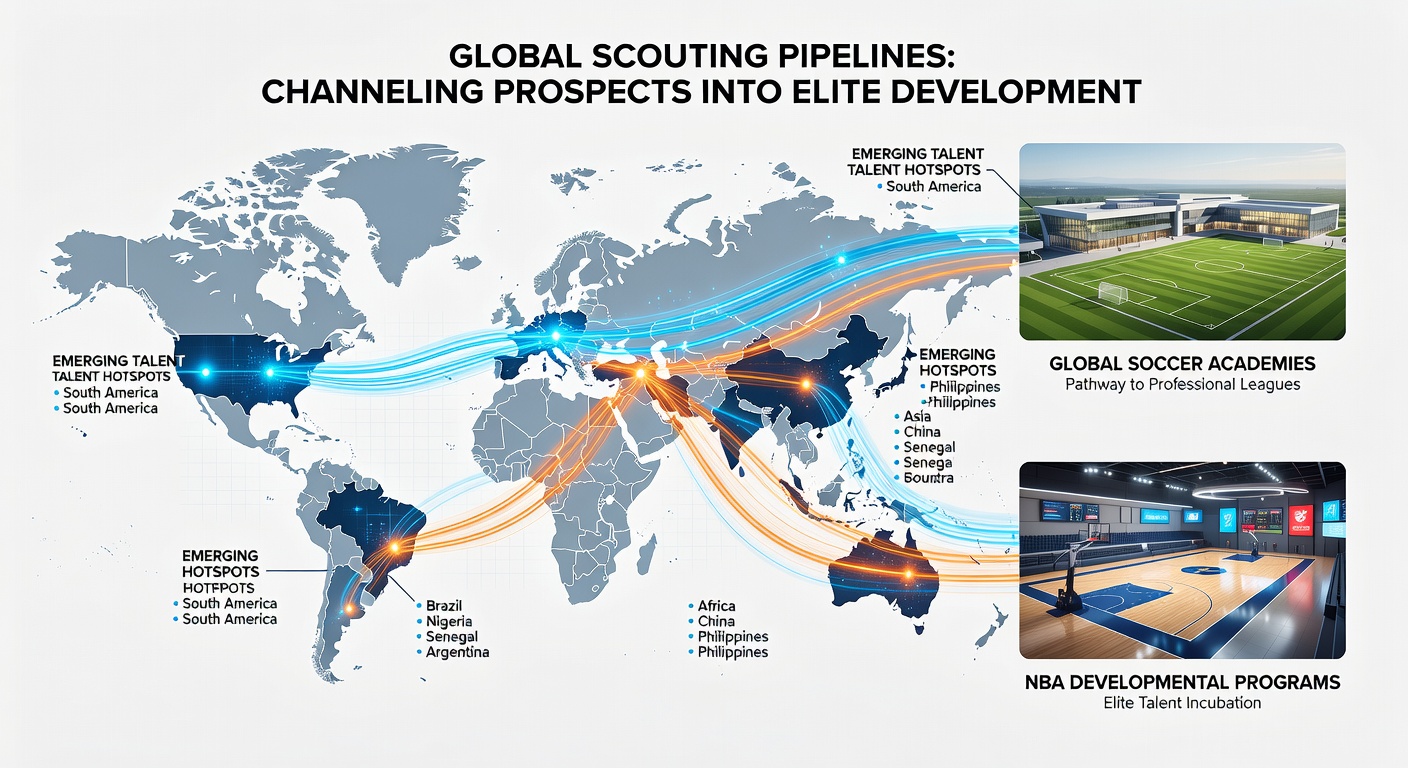
Global scouting pipelines have expanded significantly over the past decade as professional soccer academies and NBA developmental programs seek talent from regions including Africa, South America, Eastern Europe, and parts of Asia and Oceania, with structured recruitment networks now operating in more than 60 countries according to industry reports.
Soccer Academy Recruitment Networks
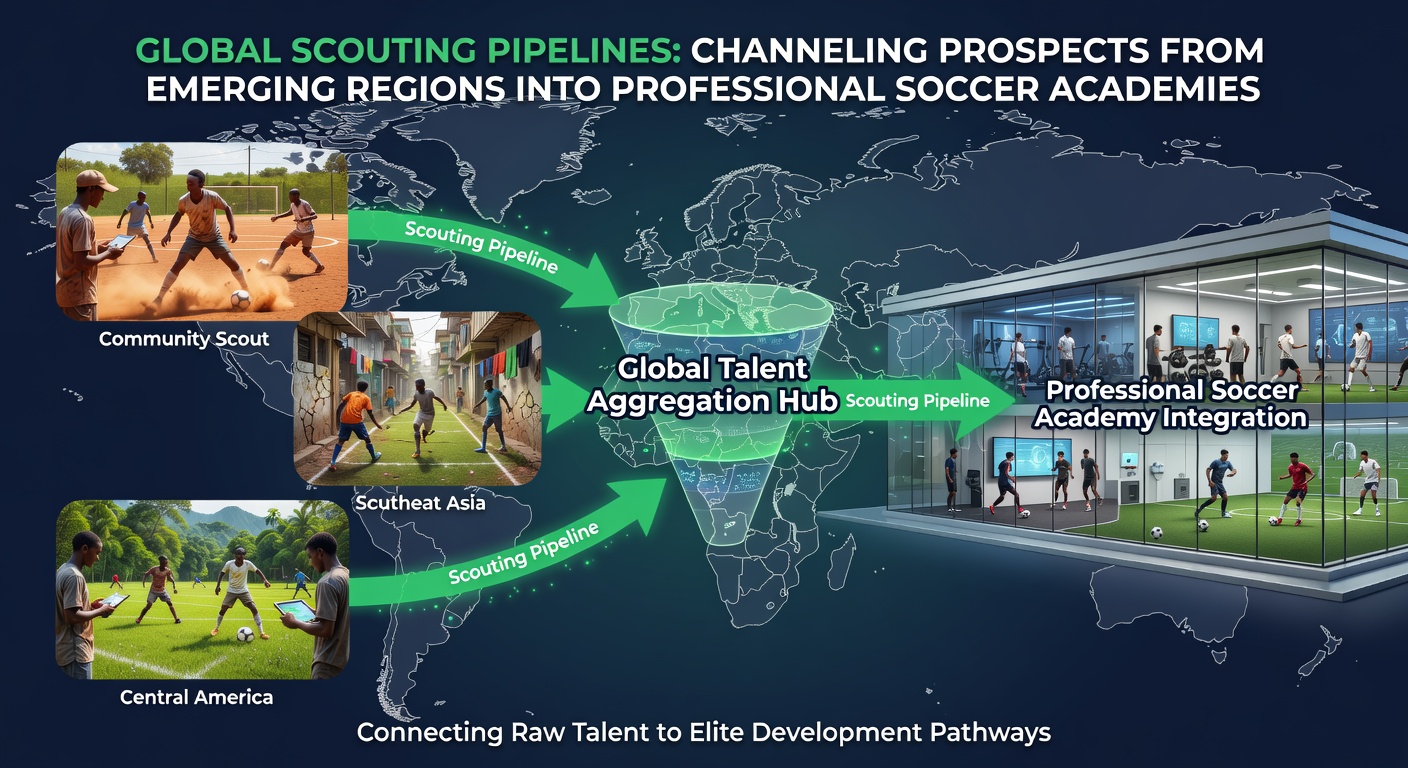
European clubs maintain dedicated scouting operations that identify prospects at youth tournaments and regional training centers in Brazil, Nigeria, Ghana, and Senegal, where local partners conduct initial evaluations before players advance to academy trials in Europe. FIFA data shows that academies affiliated with top European leagues signed over 1,200 players aged 16 to 18 from outside their domestic federations in the 2024-2025 season, and similar trends continued into mid-2026 with increased activity reported in East African development hubs.
Clubs such as those in the English Premier League and La Liga operate satellite programs that combine video analysis with on-site visits, while partnerships with African federations provide access to under-17 and under-20 national team matches for direct observation. These pipelines often include educational components that address visa requirements and language training to facilitate smoother transitions for selected athletes.
NBA Developmental Pathways from Emerging Markets
The NBA has established formal scouting and development structures through NBA Africa and affiliated G League programs that target prospects in Nigeria, Senegal, Cameroon, and Angola, where basketball participation rates have risen steadily since 2018. NBA data indicates that 28 players from African nations appeared on opening-day rosters for the 2025-2026 season, reflecting sustained investment in regional combines and training camps held in Johannesburg and Lagos.
Scouts also monitor talent in Australia, New Zealand, and Eastern Europe through partnerships with national basketball federations, and these efforts include pre-draft workouts and skill-development academies that prepare athletes for the G League or direct NBA entry. In June 2026, the league hosted its annual African prospect showcase in Accra, drawing more than 200 participants evaluated by a combination of NBA personnel and local coaches.
Key Regions and Selection Processes
Emerging regions contribute distinct player profiles that match specific positional needs in both sports. South American soccer programs emphasize technical skill development from an early age, while African basketball pipelines focus on athletic traits such as vertical leap and speed that align with modern NBA requirements. Selection typically involves multi-stage assessments that combine physical testing, tactical drills, and academic performance reviews to ensure long-term viability.
Observers note that academies increasingly rely on data analytics platforms to track performance metrics across continents, which reduces travel costs while maintaining identification accuracy. Government-supported sports initiatives in countries such as Brazil and South Africa further support these pipelines by funding youth competitions that serve as primary scouting grounds.
Support Systems and Transition Programs
Successful pipelines incorporate academic support, cultural orientation, and injury-prevention protocols that address the challenges associated with relocating athletes from emerging regions. Research from the University of Cape Town indicates that structured mentorship programs correlate with higher retention rates among international prospects entering European soccer academies, while similar findings appear in NBA-affiliated studies conducted in partnership with Australian sports institutes.
Language instruction, nutritional guidance, and family liaison services form core elements of these transition frameworks, and several clubs now employ full-time staff dedicated exclusively to international player welfare. These measures help sustain the flow of talent while complying with age-eligibility rules established by FIFA and FIBA governing bodies.
Conclusion
Global scouting pipelines continue to evolve through expanded regional partnerships, data-driven evaluation methods, and integrated support services that connect prospects from emerging regions with professional soccer academies and NBA developmental programs. Current figures from 2026 demonstrate ongoing activity across multiple continents, with structured recruitment remaining central to talent acquisition strategies in both sports.