24 May 2026
Mental Edge Training: Psychological Strategies Boosting Consistency for Athletes in Tennis Serves, Golf Putts, and Boxing Rounds

Psychological preparation has become a cornerstone of athletic performance across individual sports where precision under pressure determines outcomes, and data from training programs in 2025 shows athletes who integrate structured mental routines achieve higher consistency rates in repetitive high-stakes actions. Mental edge training encompasses techniques such as visualization, pre-performance routines, and attentional control that researchers have tracked in controlled studies involving professional and amateur competitors alike.
Core Components of Mental Edge Training
Programs built around cognitive behavioral methods and mindfulness protocols help athletes maintain focus during sequences that demand exact motor patterns, while evidence from longitudinal tracking indicates participants reduce error rates by measurable margins when they rehearse scenarios mentally before execution. Observers note that these approaches differ from physical conditioning because they target the neural pathways responsible for automatic responses, allowing performers to replicate successful actions even when external variables like crowd noise or fatigue intervene.
Studies conducted at institutions across multiple continents reveal that combining breathing regulation with imagery rehearsal produces measurable improvements in serve accuracy for tennis players, putting precision for golfers, and punch selection during later rounds for boxers. The Australian Institute of Sport has documented how such integrated sessions contribute to sustained performance across extended competitions, and similar findings appear in reports from European research centers examining elite combat athletes.
Application in Tennis Serves
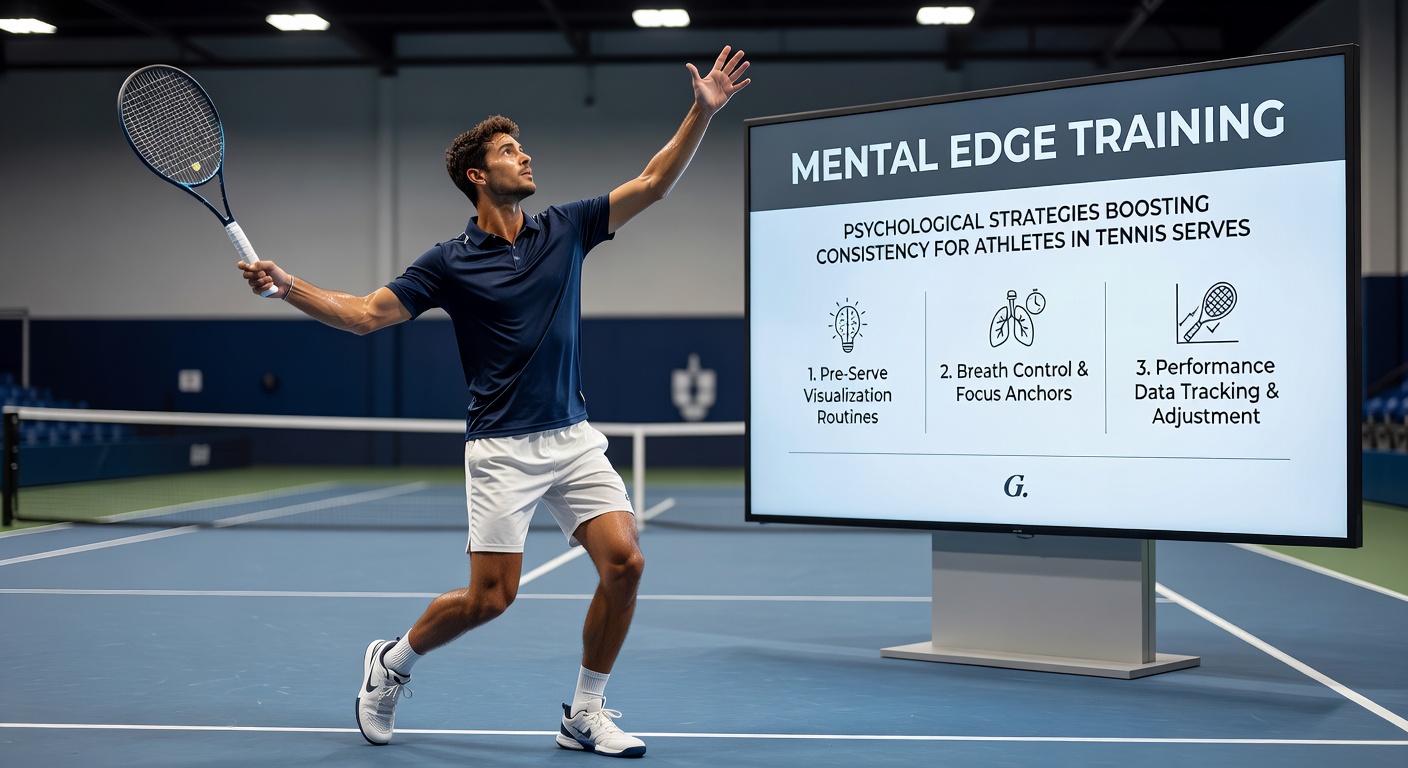
Tennis players facing second-serve pressure often employ a fixed sequence of steps that includes cue words and targeted visualization of ball trajectory, and records from professional circuits show those who adhere to these protocols maintain higher first-serve percentages across multiple matches. Data collected during 2026 events indicates that athletes who practice attentional anchoring, where they fix gaze on a specific point before tossing the ball, exhibit fewer double faults when matches extend into deciding sets.
Coaches report that incorporating progressive muscle relaxation between points helps competitors reset arousal levels quickly, which in turn supports consistent ball placement despite changing court conditions or opponent tactics. One analysis of match statistics from May 2026 tournaments highlighted a correlation between routine adherence and reduced unforced errors on serve, underscoring how psychological repetition reinforces motor memory developed through hours on the practice court.
Application in Golf Putts
Golfers on the putting green rely on pre-shot routines that blend alignment checks with mental rehearsal of the ball's path, and figures from professional tours demonstrate lower three-putt frequencies among those who use consistent visualization of speed and break. Research published by university departments in North America and Asia has tracked how golfers who pause to regulate breathing before addressing the ball achieve steadier stroke mechanics under tournament conditions.
Performance logs indicate that mental edge sessions emphasizing process-oriented cues rather than outcome expectations correlate with improved conversion rates from inside ten feet, particularly when players face varying green speeds or wind influences. Those who've studied putting data note that athletes who integrate brief mindfulness pauses after missed attempts show faster recovery in subsequent holes, preserving overall round consistency without the accumulation of tension that disrupts stroke tempo.
Application in Boxing Rounds
Boxers who maintain punch accuracy and defensive positioning through later rounds often credit structured mental preparation that includes scenario planning and self-talk frameworks, and bout analysis from recent international events reveals fewer technical breakdowns among fighters who rehearse recovery sequences between rounds. According to reports compiled by combat sports organizations, fighters employing attentional control drills during training camps sustain higher output volumes even as physical fatigue sets in.
Evidence gathered from training facilities shows that visualization of specific combinations paired with diaphragmatic breathing supports quicker decision-making when opponents alter their patterns mid-fight. Observers tracking performance metrics in 2026 competitions have recorded that athletes who maintain these psychological strategies display steadier footwork and guard retention across championship-distance bouts, where cumulative round pressure typically amplifies small inconsistencies.
Integration Across Disciplines and Recent Developments
Cross-sport comparisons illustrate that the same foundational elements, such as routine standardization and cognitive reframing, transfer effectively between tennis, golf, and boxing because each demands repeated execution of fine motor skills under variable stress. Training centers that blend these methods report athletes across disciplines showing parallel gains in reliability, with session logs confirming reduced variability in key performance indicators.
What's interesting is how programs updated in early 2026 have begun incorporating wearable feedback devices that measure heart-rate variability during mental rehearsal, allowing coaches to adjust intensity in real time. Those who've examined the resulting datasets note tighter correlations between psychological adherence and on-field consistency, extending the reach of these strategies beyond traditional practice environments.
Conclusion
Evidence accumulated across tennis, golf, and boxing demonstrates that mental edge training supplies measurable advantages in consistency when athletes apply visualization, routine building, and attentional techniques systematically. Research continues to refine these approaches through ongoing studies, and performance records from recent seasons confirm their role in supporting repeatable execution under competitive demands.