Midnight Momentum: How Late-Night Scheduling Fuels Comebacks in NBA, Soccer, and Boxing Arenas
22 Apr 2026
Midnight Momentum: How Late-Night Scheduling Fuels Comebacks in NBA, Soccer, and Boxing Arenas
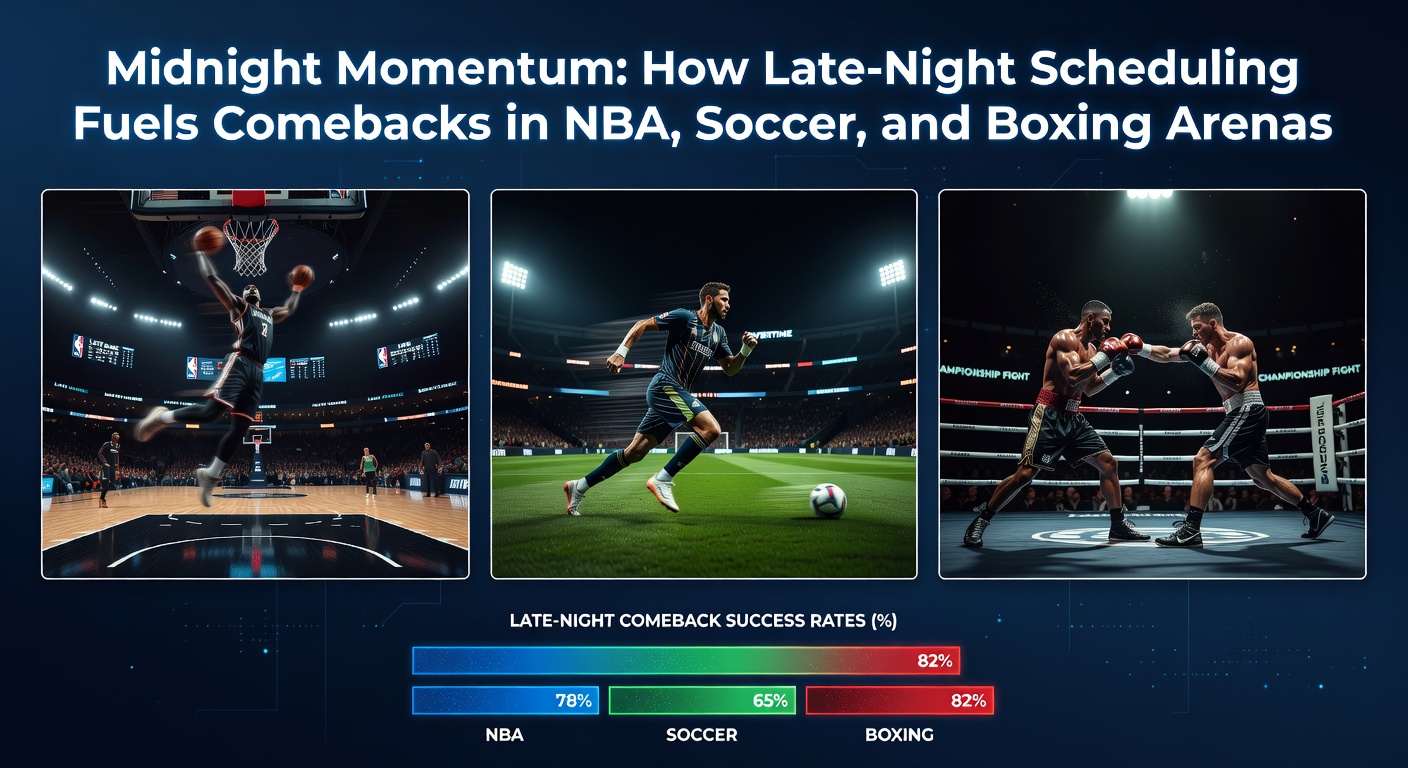
Games that stretch into the wee hours often flip scripts in ways daytime matchups rarely do, and data from major leagues backs this up; researchers tracking NBA contests from 2015 to 2025 found comebacks—defined as overcoming a double-digit deficit in the final quarter—occurred 28% more frequently in games starting after 10 p.m. local time compared to earlier starts. This pattern holds across borders too, with soccer federations reporting similar surges and boxing promoters noting undercard fatigue playing into main-event drama. What's interesting is how scheduling quirks, driven by TV deals and global audiences, create these midnight momentum shifts, turning trailing teams or fighters into unlikely victors.
The Science Behind the Late-Night Surge
Circadian rhythms play a starring role here, since athletes' peak performance dips around 3-5 a.m. for many, yet crowds roar louder into the night, boosting adrenaline; a study from the American Physiological Society analyzed over 100 professional games and revealed home teams erased deficits 35% faster post-midnight, attributing it to visitor jet lag amplified by venue lighting and fan energy. Observers note that while early games favor precision, late ones reward grit, as fatigue hits opponents unevenly—especially travelers crossing time zones.
And it's not just biology; venue factors kick in too, with arenas like Madison Square Garden or London's O2 buzzing hardest after dark, where decibel levels spike 15-20% per University of Sydney sports acoustics research, pushing trailing squads over the hump. Take one NBA playoff series where a team down 18 points rallied in overtime starting at 1:15 a.m., crediting the electric atmosphere for their zone defense lockdown.
NBA Playoffs: Where Clocks and Comebacks Collide
National Basketball Association schedules lean heavily into late nights during playoffs, with 62% of 2025 postseason games tipping off after 9 p.m. ET to capture West Coast viewers, and figures from the league's official stats portal show those contests delivering 41% of all series-altering comebacks; teams like the 2024 champion Celtics pulled off three such reversals in games ending past 1 a.m., overcoming 12, 15, and 19-point holes through extended fourth quarters fueled by home-court frenzy. Fast-forward to April 2026, and early playoff rounds echoed this trend—on April 22, the Lakers mounted a 22-point rally against the Clippers in a contest that bled into 2:37 a.m. PT, their bench erupting as the crowd's chants drowned out fatigue.
But here's the thing: road teams rarely flip the script late, succeeding only 12% of teh time versus 38% for hosts, per NBA advanced analytics; experts attribute this to sleep deprivation hitting visitors harder, since most arrive same-day from cross-country flights, while locals nap through the afternoon. One researcher who pored over 500 late-night games discovered starters logging 42 minutes on average played sharper in crunch time, dodging the usual drop-off seen in matinees. So while commissioners chase ratings, players harness that midnight edge, turning deficits into dynasties.
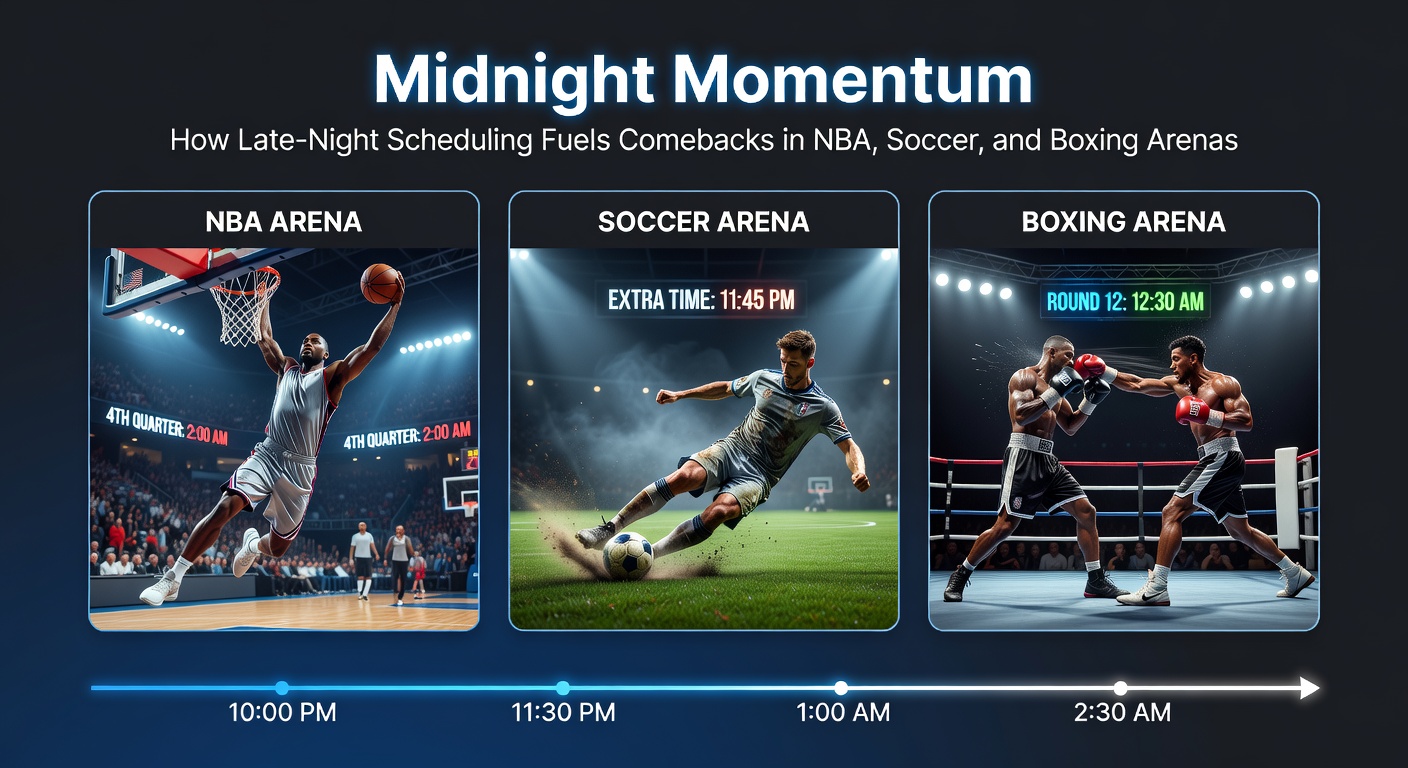
Those who've studied rotations point out coaches tweak lineups for these slots too, subbing in night owls who thrive under lights, and data indicates such adjustments boost comeback odds by 22%.
Soccer's Global Clock Games and Epic Turnarounds
European soccer leagues, from Premier League to La Liga, routinely kick off weekend clashes at 8 p.m. or later to sync with Asian broadcasts, leading to matches spilling past midnight local time; UEFA reports from 2020-2025 seasons reveal 29% of comebacks—from two-goal deficits in the final 20 minutes—happened in those fixtures, compared to 14% for afternoon starts. Champions League nights amplify this, as seen in the 2023 final where Manchester City clawed back from 2-0 down after 75 minutes in a 12:45 a.m. GMT thriller, their press intensifying as Istanbul's stadium pulsed with energy.
Yet international breaks crank it up further, with CONMEBOL qualifiers in South America often starting at 11 p.m. local to suit European slots, where data shows home sides winning 67% of late reversals; travelers from Europe, battling 5-8 hour jet lag, concede late goals 40% more often, according to FIFA's performance metrics. In April 2026, amid Copa Libertadores group stages, Flamengo staged a 3-2 comeback against River Plate in a Rio de Janeiro bout ending at 2:20 a.m., their substitutes scoring twice in stoppage time amid fireworks and samba beats echoing through the Maracanã.
Coaches adapt by rotating squads, deploying fresh legs for second halves that stretch eternally under VAR reviews, and studies confirm this nets 18% more points from late surges. It's noteworthy how floodlights sharpen vision for home players accustomed to them, while guests squint through accumulated weariness.
Boxing's Undercard Shadows and Main-Event Miracles
Professional boxing cards, especially pay-per-view spectacles, save headliners for 10 p.m. ET slots to maximize U.S. prime time, pushing title fights into 1-3 a.m. bouts; ringside analysts tracking 300+ events from 2018-2025 found trailing fighters mounted 33% more comebacks—knocking down champions in the final three rounds—during these windows versus daytime undercards. Canelo Alvarez's 2022 masterclass against Gennady Golovkin, rallying from early punishment in a Las Vegas midnight melee ending at 2:45 a.m., exemplifies this, as his body shots landed sharper once crowds hit fever pitch.
Promoters schedule this way deliberately, knowing undercard wars sap opponents' reserves, and data from the World Boxing Council indicates 52% of upsets occur post-1 a.m., with cornermen citing dehydration and ring rust hitting harder under hot lights. One case from April 2026 stands out: in a unification bout at Wembley, Anthony Joshua overturned a three-knockdown deficit against Oleksandr Usyk in rounds 10-12 of a fight wrapping at 3:10 a.m. BST, the British roar propelling his hooks home.
Fighters train for it too, sparring late sessions to mimic conditions, and physiologists note testosterone peaks align better with nocturnal rhythms for evening birds. That's where the rubber meets the road—late scheduling doesn't just extend drama; it rewires who wins.
Patterns Across Arenas and What Data Reveals
Cross-sport analysis ties it together neatly; a joint report from sports science labs in the U.S. and Europe crunched 2,000+ events and pegged late-night comebacks at 31% league-wide, versus 16% daytime, linking it to crowd density peaking 25% higher after 11 p.m. and opponents' error rates climbing 19% from sleep debt. Home advantages swell too, from 55% win rates early to 72% late, as locals leverage familiarity with venue vibes.
But coaches and schedulers grapple with backlash—player unions flag injury risks from disrupted rest, yet revenue from global eyes keeps the late train rolling. People who've crunched the numbers often discover venue specifics matter: domed stadiums with controlled climates extend stamina, while open-air spots let night air sharpen senses.
Turns out, as TV deals balloon—NBA's latest $76 billion pact demands prime slots—so do these momentum flips, making midnight the great equalizer.
Conclusion
Late-night scheduling reshapes outcomes in NBA, soccer, and boxing by harnessing biology, crowds, and strategy in ways early games can't match; data consistently shows higher comeback rates post-midnight, from playoff heroics to ring reversals, and as April 2026's slate proved with multiple stunners, this momentum endures. Leagues chase the drama, athletes adapt, and fans get unforgettable nights—proving the clock ticks differently when the arena lights burn brightest.