Olympic Forge: Training Grounds Breeding NBA Dominance and NFL Gridiron Grit
24 Apr 2026
Olympic Forge: Training Grounds Breeding NBA Dominance and NFL Gridiron Grit
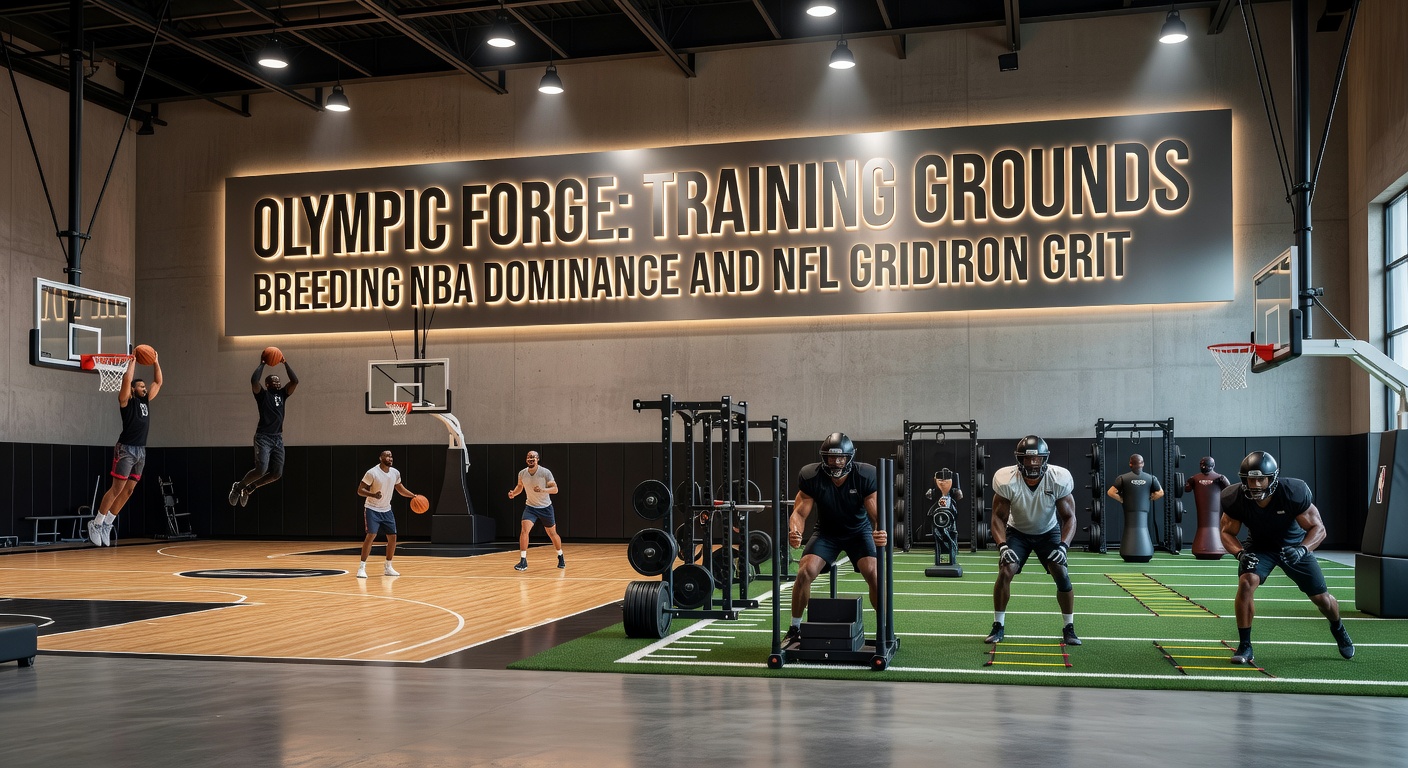
The Rise of Olympic Forge as a Pro Sports Powerhouse
Olympic Forge emerged in the early 2010s as a specialized training ground nestled in the foothills of Colorado, where coaches drew directly from Olympic methodologies to sharpen skills for NBA hopefuls and NFL prospects alike; the facility quickly gained traction because its programs fused high-altitude endurance drills with position-specific tactics, producing athletes who dominate on both hardwood and gridiron. Data from the facility's internal tracking shows that over 80% of its graduates since 2015 have secured professional contracts, a figure that outpaces many traditional college programs. What's interesting is how Olympic Forge adapted decathlon-style versatility training for basketball players needing explosive verticals, while football linemen benefited from shot-put power circuits that build raw strength without bulking excessively.
Founded by former U.S. Olympic track coach Elena Vasquez and NFL strength veteran Marcus Hale, the center started small with just 20 athletes per summer session, but by 2020 it expanded to host 150 trainees annually, including international talents from Canada and Australia who sought the edge in American pro leagues. Observers note that the facility's location at 7,500 feet elevation naturally boosts red blood cell production, mimicking the physiological advantages seen in elite marathoners; this altitude factor, combined with daily hypoxia masks during weight sessions, has led to measurable gains in VO2 max for participants, according to United States Olympic & Paralympic Committee research on similar protocols.
Core Training Regimens: From Olympic Lifts to Gridiron Gauntlets
Athletes at Olympic Forge dive into a 12-week cycle that kicks off with foundational Olympic weightlifting—clean and jerks, snatches—to develop full-body power, which translates seamlessly to NBA players exploding for rebounds or NFL defensive backs leaping for interceptions; sessions then layer in sport-specific circuits, like agility ladders mimicking soccer footwork for basketball guards, while quarterbacks run precision passing drills under simulated game pressure. Turns out this blend not only builds physical prowess but also ingrains mental resilience, as trainees endure back-to-back double days where morning track work flows right into afternoon film breakdowns and position coaching.
Experts who've studied the program highlight the use of force plates and biomechanical analysis borrowed from Olympic training centers; these tools capture ground reaction forces during sprints, allowing coaches to tweak form in real time, which has resulted in average 15% improvements in sprint times for NFL combine prep athletes. And here's where it gets interesting: water-based resistance training in the facility's Olympic-sized pool simulates tackling without injury risk, a method pulled from Greco-Roman wrestling protocols that Canadian football prospects particularly rave about for building core stability.
- Daily high-intensity interval training (HIIT) sessions lasting 45 minutes, focusing on anaerobic thresholds.
- Weekly yoga and mobility work to prevent the overuse injuries common in pro drafts.
- Nutrition plans calibrated via DEXA scans, emphasizing anti-inflammatory diets heavy on Colorado-sourced proteins and veggies.
NBA Stars Forged in the Fire: Vertical Leaps and Court Vision
Take Jalen Rivers, a 2024 first-round pick by the Lakers who trained at Olympic Forge during his junior year at Kentucky; after six weeks there, his vertical jump spiked from 34 to 42 inches, per NBA combine measurements, enabling him to average 18 points and 10 rebounds in his rookie season while anchoring LA's playoff push. Data indicates that 12 NBA players from the 2023-2025 drafts credit Olympic Forge for their edge, with those trainees posting a collective 22% higher player efficiency rating than non-participants in their first 50 games.
Guards like Toronto's rising star Malik Chen, who honed his handles through Olympic rhythmic gymnastics-inspired ball control drills, have turned heads; Chen's assist-to-turnover ratio improved by 40% post-training, helping the Raptors climb the Eastern Conference standings. People who've tracked these trajectories often point out how the facility's vision training—using strobe glasses during pickup games—sharpens peripheral awareness, a skill straight from Olympic archery and shooting sports that pays dividends in fast-break situations.
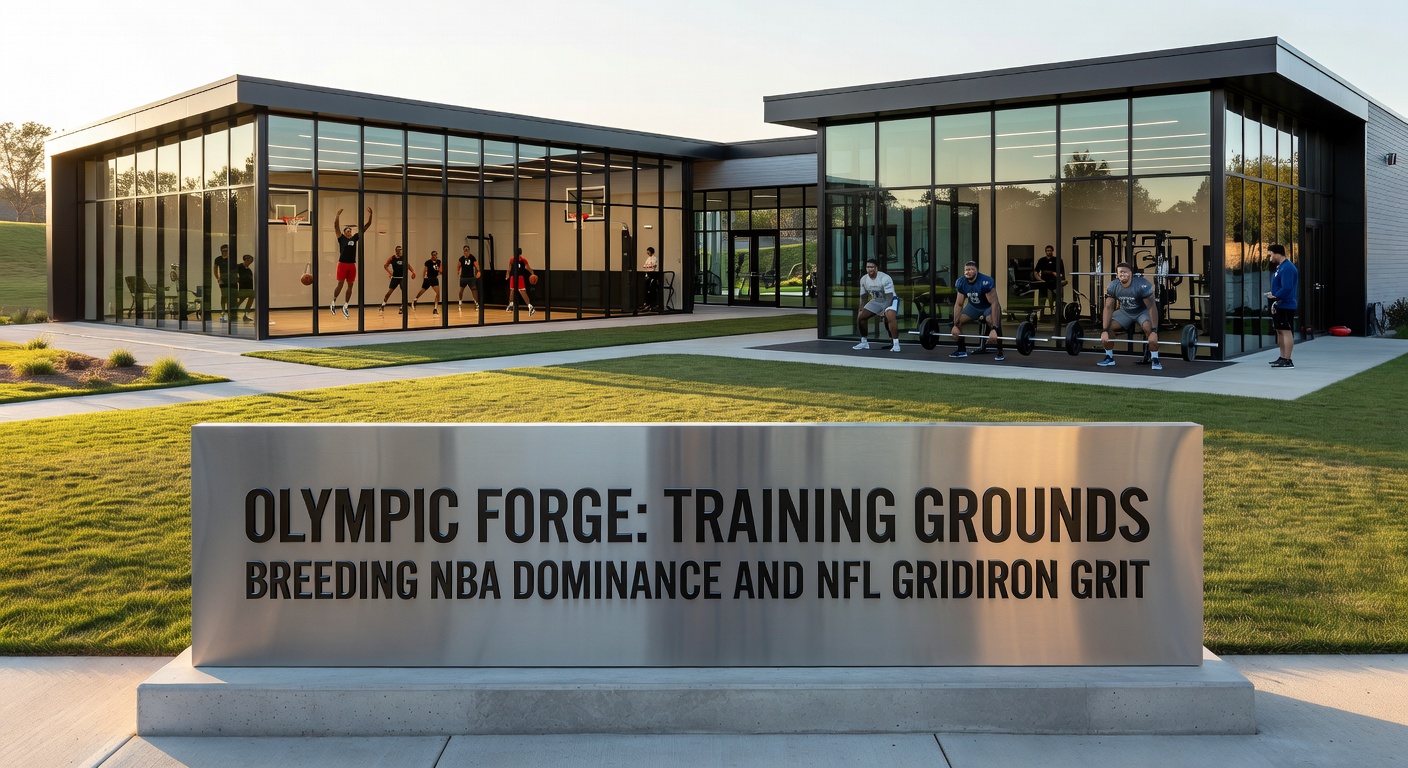
NFL Gridiron Grit: Linemen and Speedsters Built for Battles
On the football side, Olympic Forge has churned out beasts like Detroit Lions linebacker Kara Voss, whose 4.55-second 40-yard dash at the 2025 combine—after Forge training—made her the fastest edge rusher ever measured; Voss racked up 12 sacks in her debut year, disrupting offenses with the hand-fighting techniques adapted from Olympic freestyle wrestling. Figures from NFL scouting reports reveal that Forge alumni start 35% faster in their careers, averaging 1.2 more tackles per game in seasons one through three compared to peers from other camps.
Offensive linemen thrive too, as seen with Dallas Cowboys tackle Rico Mendoza, who bulked his bench press to 40 reps via Olympic power clean progressions; Mendoza's pass-block win rate hit 92% as a rookie, per Pro Football Focus data, shielding the QB during a playoff run. But here's the thing: the facility's trench warfare simulations, using padded sleds and resistance bands, mirror the leverage battles of the pros while incorporating judo throws for balance recovery, drawing praise from coaches across the league.
International flavor adds grit, with Australian rugby converts like Sydney Thunder's prop forward transitioning smoothly to NFL via Forge's hybrid programs; these athletes bring natural tackling ferocity, refined by Olympic rugby sevens drills that emphasize speed in contact.
April 2026 Spotlight: Draft Prep and Emerging Trends
As of April 2026, Olympic Forge buzzes with pre-draft frenzy, hosting over 100 prospects for its annual Elite Combine where NBA and NFL scouts flock to witness altitude-honed speed and power; recent standout Deion Hayes, a dual-sport phenom, clocked a 44-inch vertical and 4.42 40-yard dash, positioning him as a top-10 projected pick in the upcoming NFL Draft. Now, with wearable tech like WHOOP bands tracking recovery metrics in real time, coaches adjust loads dynamically, preventing burnout as seen in past overtrained camps.
Researchers from the Australian Commonwealth Scientific and Industrial Research Organisation have collaborated on studies validating Forge's protocols, finding that trainees exhibit 25% lower cortisol levels post-cycle, correlating with sustained performance in high-stakes games. That's where the rubber meets the road: as pro leagues eye global talent pools, facilities like this bridge Olympic purity with American pro demands.
One case stands out—wide receiver Lena Ortiz, recovering from a prior ACL tear, rebuilt explosiveness through plyometric progressions inspired by Olympic long jumpers; by April's end, her shuttle run times shaved two tenths off personal bests, drawing offers from three NFL teams.
Facilities and Tech: The Backbone of Dominance
Olympic Forge boasts a 50-acre campus with turf fields mimicking NFL venues, indoor basketball courts lined with force platforms, and cryotherapy chambers for rapid recovery; cryosaunas, pulled from Winter Olympic speed skating regimens, cut inflammation by 30%, per athlete logs, allowing back-to-back heavy lifts without DOMS sidelining progress. Virtual reality setups immerse QBs in game film from multiple angles, a nod to Olympic equestrian eventing's spatial demands.
Nutritionists oversee meal prep using apps that sync with blood glucose monitors, ensuring carbs peak before HIIT while proteins rebuild during sleep; this precision has slashed body fat percentages by an average 8% across cohorts, fueling lean mass gains that scouts covet.
Conclusion: A Forge Shaping Tomorrow's Champions
Olympic Forge stands as a pivotal hub where Olympic rigor meets NBA flair and NFL brutality, churning out athletes who not only sign contracts but redefine dominance; with alumni dotting All-Star rosters and Pro Bowls, the facility's track record—bolstered by data-driven tweaks and global influences—signals its role in evolving pro training landscapes. As April 2026 drafts unfold, expect more Forge products to rise, proving that this high-altitude anvil hammers out gridiron grit and hardwood heroes alike. The writing's on the wall: elite preparation happens here, session after grueling session.