12 Jul 2026
Shadow Training Techniques Adapted from Boxing Gyms Improving Defensive Positioning for NBA Guards and NFL Cornerbacks
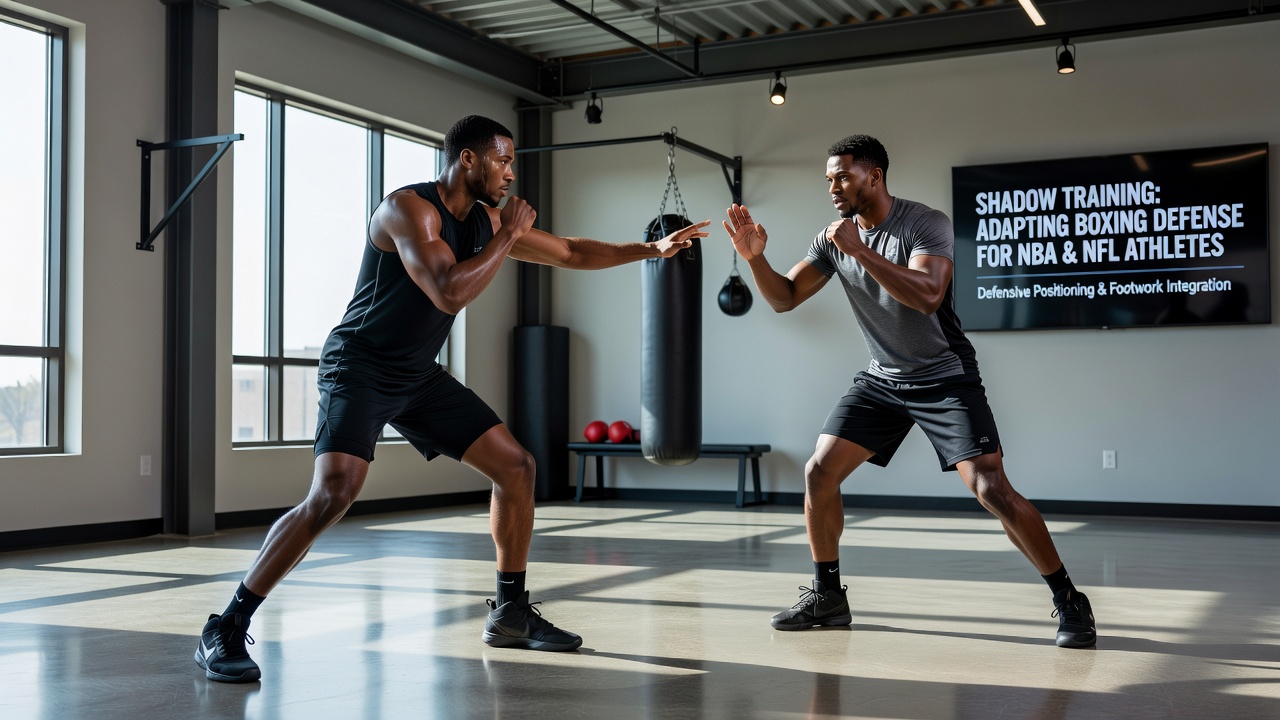
Shadow training draws from boxing fundamentals where athletes rehearse movements without an opponent present, and coaches have integrated these methods into basketball and football programs to sharpen defensive reactions. NBA guards rely on quick lateral shifts and hand positioning to disrupt passes while NFL cornerbacks mirror receivers through precise foot placement and body alignment. Research from the Australian Institute of Sport indicates that consistent shadow work builds neuromuscular patterns which translate directly to game situations across contact and non-contact sports.
Origins of Shadow Techniques in Boxing Gyms
Boxing gyms have long emphasized shadowboxing as a core drill because it allows fighters to focus on stance, balance, and punch combinations in isolation before adding resistance. Trainers record sessions to review hip rotation and shoulder alignment, and data from these observations shows measurable gains in reaction time after eight weeks of dedicated practice. Athletes perform these routines daily while incorporating mirror work to self-correct posture, and the approach avoids the fatigue that comes from constant sparring yet maintains high-intensity focus on defensive elements like slipping punches and maintaining distance.
Adaptation Process for NBA Guards
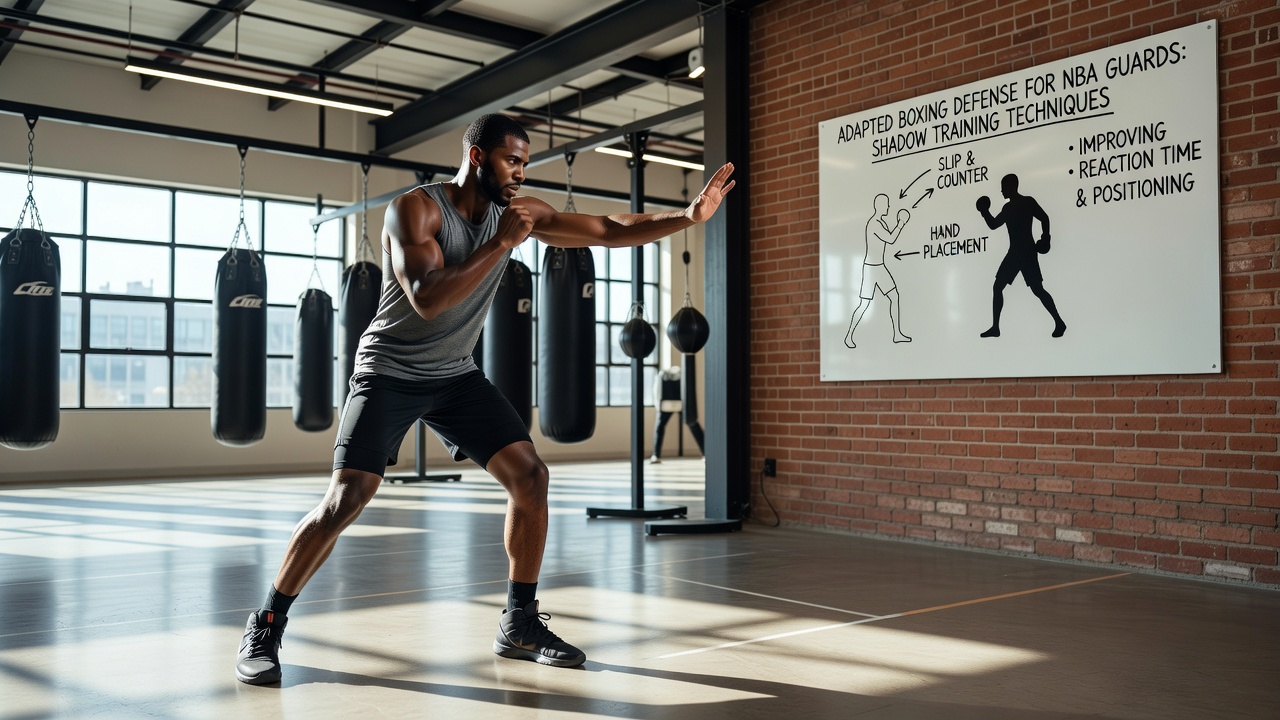
Coaches working with NBA perimeter players have modified shadow routines to emphasize defensive slides and closeout mechanics, often using resistance bands during stationary shadow sequences to simulate contact without a live opponent. Guards practice mirroring an imaginary ball-handler through cones set at varying angles, which strengthens hip mobility and visual tracking skills essential for contesting shots. In July 2026 several teams incorporated these drills into summer development camps after reviewing biomechanical data that linked improved lateral quickness to reduced foul rates during regular-season play. Players execute sequences that blend boxing-inspired upper-body feints with basketball-specific footwork, and studies reveal that such hybrid sessions enhance decision-making under fatigue because athletes repeat the patterns until they become automatic.
Application in NFL Cornerback Development
NFL defensive backs have adopted similar shadow frameworks to refine press coverage adn zone responsibilities, with trainers directing athletes to shadow an invisible receiver through scripted routes while maintaining proper leverage. Cornerbacks perform these drills on turf surfaces that replicate game conditions, focusing on punch timing and recovery steps drawn from boxing's defensive resets. Organizations have noted that integrating video feedback from shadow sessions helps players identify subtle weight shifts that precede route breaks, and one program reported measurable improvements in completion percentage allowed after a full offseason cycle. The method allows high-repetition practice without the physical toll of live one-on-ones, yet it preserves the mental engagement required for anticipating offensive movements during actual games.
Shared Biomechanical Benefits Across Both Sports
Both NBA guards and NFL cornerbacks gain from the emphasis on core stability and visual focus that boxing shadow work cultivates, and researchers at the Canadian Sport Institute have documented reduced injury incidence in athletes who include these drills because balanced movement patterns decrease stress on knees and ankles. The training builds proprioception through repeated mirror drills and cone navigation, which carries over when athletes must adjust to live opponents who change direction suddenly. Data shows that defensive positioning improves when players allocate 15 to 20 minutes daily to shadow sequences before progressing to partner work, and the approach scales across different body types because individuals adjust stance width and arm positioning to match their sport-specific demands.
Implementation in Professional Training Environments
Strength and conditioning staffs coordinate with skills coaches to embed shadow segments into existing workout blocks rather than treating them as standalone activities, and this integration allows seamless transitions from footwork ladders to shadow defensive sets. In summer 2026 facilities across both leagues began tracking session metrics through wearable sensors that capture acceleration and deceleration forces during these drills. Athletes receive individualized cueing based on their film study, such as maintaining a lower center of gravity for guards or keeping hands active for cornerbacks, and the resulting adjustments appear in game logs as fewer blown assignments. Programs that combine shadow training with occasional live simulations report sustained engagement because the variety prevents monotony while still targeting the precise motor skills needed for elite defense.
Conclusion
Shadow training techniques refined in boxing gyms continue to influence how NBA guards and NFL cornerbacks develop their defensive positioning through structured repetition and targeted feedback. Athletes across both leagues apply these methods to build automatic responses that hold up under competitive pressure, and ongoing data collection supports their role within comprehensive training plans. As programs refine these adaptations the focus remains on measurable improvements in reaction, balance, and spatial awareness that directly affect on-field performance.