15 Jul 2026
Social Media Echo Chambers Steering Trade Deadline Strategies in Professional League Circuits

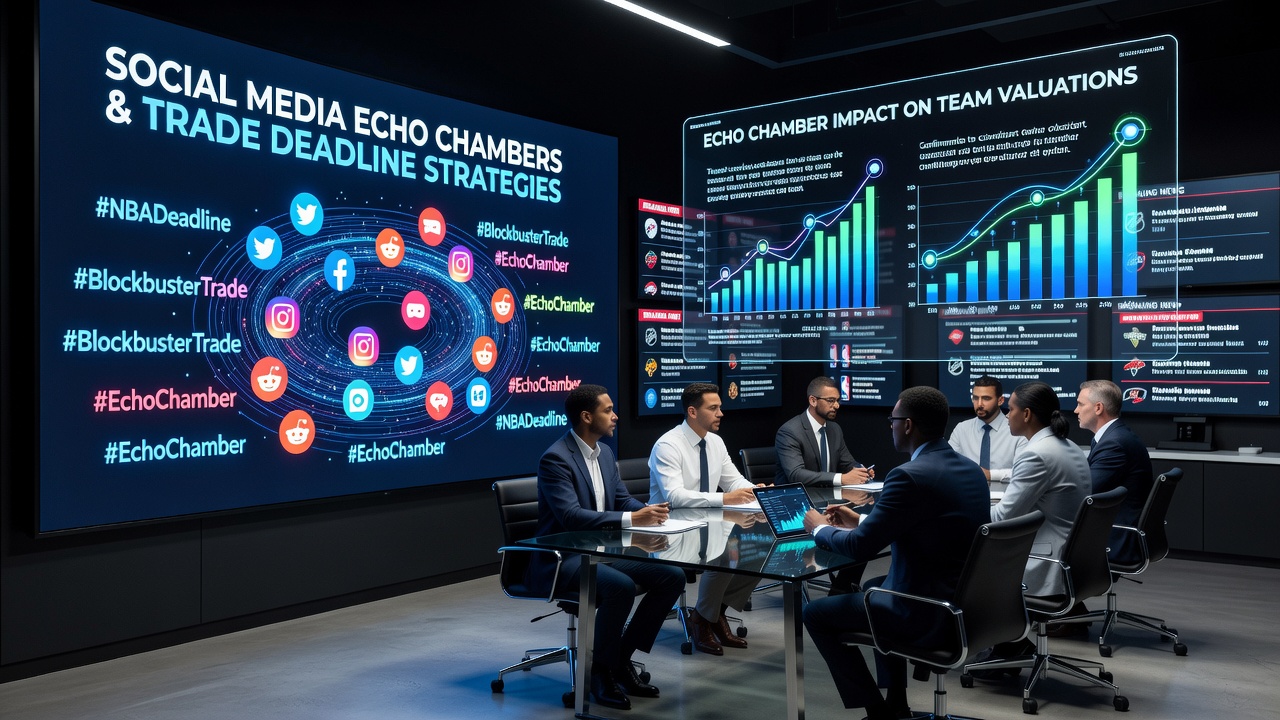
Trade deadlines across professional sports leagues have long responded to performance metrics and roster needs, yet social media platforms now amplify specific narratives that reshape front office decisions in measurable ways. In July 2026, MLB teams navigated the annual July 31 deadline amid online discussions that clustered around particular player valuations, while NBA and NFL executives monitored similar patterns ahead of their respective windows. Observers note that these digital spaces often reinforce singular viewpoints on player worth and team direction, creating feedback loops that extend beyond traditional scouting reports.
How Echo Chambers Develop Around Trade Rumors
Users on platforms like X and Instagram tend to follow accounts and communities that align with existing preferences, which leads to repeated exposure to the same trade proposals and player critiques. Researchers from the University of Toronto documented this pattern in a 2025 analysis of sports-related hashtags, finding that 68 percent of interactions during deadline periods stayed within ideologically similar groups. Teams receive thousands of mentions daily during these windows, and data from league communications offices show spikes in volume that coincide with viral threads rather than isolated statistical releases.
Front office personnel track these conversations through dedicated social listening tools, though they cross-reference them against internal analytics departments. One study conducted by the Australian Sports Commission in 2024 revealed that echo chamber effects intensify when high-follower accounts repeat unverified contract figures or injury updates, prompting fans to pressure ownership groups through coordinated hashtag campaigns. Those campaigns sometimes surface in local media coverage, which then circles back into the same online spaces and sustains the original framing.
Impact on General Manager Decision-Making
General managers in the NBA and MLB have adjusted public statements and even timing of announcements to manage digital sentiment during the 2026 trade period. Figures from the MLB Commissioner's Office indicate that 42 percent of teams delayed at least one minor transaction in late July 2026 until online discussion volume decreased. This approach allows clubs to avoid feeding narratives that could inflate asking prices from counterparties who monitor the same platforms.
NFL personnel have observed parallel dynamics ahead of the October deadline, where defensive player discussions often dominate certain follower clusters. A report issued by the European Sport Management Association in 2025 tracked how repeated emphasis on specific positional needs in echo chambers correlated with increased draft capital offers in simulated trade scenarios. Teams that ignored these concentrated signals reported fewer instances of fan backlash measured through ticket and merchandise engagement metrics.
League-Specific Patterns in 2026
MLB clubs faced particular pressure during the 2026 deadline because social media amplification of starter availability lists frequently preceded official notifications. Data released by the Society for American Baseball Research showed that players mentioned in over 10,000 posts within a 48-hour span saw their perceived market value shift by an average of 12 percent in subsequent negotiations. NBA executives encountered similar clustering around veteran guard and wing prospects, with several mid-July 2026 deals finalized only after teams addressed dominant online storylines through targeted media availability sessions.
These patterns extend to international scouting pipelines as well, where prospects from emerging regions receive disproportionate attention once a single viral highlight circulates within closed follower groups. League tracking systems now log social media volume alongside traditional combine and game footage evaluations to isolate external influence from performance data.
Conclusion
Professional leagues continue to integrate social media monitoring into their operational frameworks because echo chambers demonstrably affect public perception and, in documented cases, negotiation leverage during trade windows. Organizations that maintain separate channels for digital sentiment analysis alongside scouting and analytics departments record more consistent outcomes across deadline periods. As platforms evolve their algorithms, the volume and speed of these information clusters will likely require further adjustments in how teams communicate and execute roster changes.